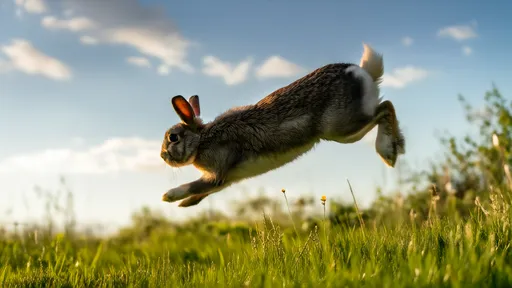
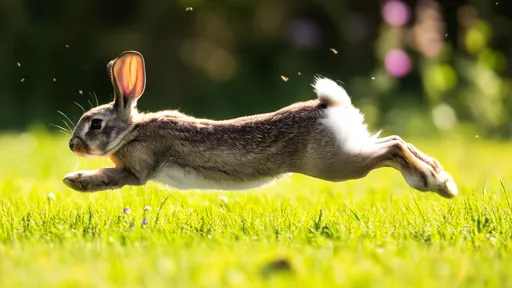
In the quiet hush of a meadow or the cozy corner of a home, a rabbit might be sitting peacefully one moment, and the next, it explodes into a frenzy of leaps, twists, and dashes. This behavior, often called a "binky," is one of the most joyful and puzzling displays in the animal kingdom. To the untrained eye, it might seem like a random burst of energy, but for those who understand rabbits, it's a clear sign of pure, unadulterated happiness. The sudden eruption of movement—ears flopping, body twisting mid-air, and legs kicking out—is a rabbit's way of expressing delight and contentment, a physical manifestation of its emotional state.
Rabbits are prey animals by nature, which means they are usually cautious, alert, and reserved. Their survival depends on being vigilant and ready to flee at the slightest hint of danger. So when a rabbit feels safe and secure enough to let its guard down completely, it often results in these explosive displays of joy. The binky is not just a random jump; it's a complex series of movements that can include high leaps, rapid twists, and frantic runs. It's as if the rabbit is so overwhelmed with positive emotion that it can't contain itself, and the energy has to go somewhere—hence the acrobatic outburst.
This behavior is most commonly observed in domestic rabbits, where the environment is controlled and threats are minimized. In the wild, rabbits might also binky, but it's riskier due to predators. In a safe space, however, rabbits feel free to express themselves fully. A well-cared-for rabbit might binky when it's anticipating something enjoyable, like mealtime or play, or simply because it's feeling good in the moment. It's a behavior that signals excellent welfare; a rabbit that binks regularly is likely healthy, happy, and thriving in its environment.
The physiology behind a binky is fascinating. Rabbits are built for sudden, explosive movements. Their powerful hind legs allow them to leap great distances and heights, and their flexible spines enable those mid-air twists and turns. When a rabbit binkies, it's not just releasing energy; it's engaging its entire body in a celebration of life. The burst of activity also has benefits for their physical health, providing exercise that keeps their muscles strong and their minds sharp. It's a natural behavior that has evolved alongside their need for quick escapes, but in safe contexts, it becomes a tool for joy.
For rabbit owners, witnessing a binky is a heartwarming experience. It's a clear indicator that their care is meeting the rabbit's needs, both physically and emotionally. Rabbits are subtle creatures; they don't wag their tails or purr like other pets, so these outbursts of happiness are crucial for communication. When a rabbit trusts its human enough to binky around them, it's a sign of a deep bond. It says, "I feel safe with you, and I'm happy." This is why rabbit enthusiasts often strive to create environments that encourage binkies—spacious enclosures, stimulating toys, and plenty of opportunities for exercise and exploration.
Interestingly, not all rabbits binky in the same way. Some might have small, subtle binkies—little hops with a slight head flick—while others go all out with full-body twists and sprints. The style often reflects the rabbit's personality. Bold, outgoing rabbits might have dramatic binkies, while shyer individuals might express their joy in more reserved ways. Age can also play a role; younger rabbits tend to binky more frequently, as they have more energy and are still exploring their world, but even older rabbits will binky when they're particularly content.
The context of a binky can vary, too. Sometimes it happens during play, especially with other rabbits or favorite toys. Other times, it might be a solo celebration after a satisfying meal or a comfortable nap. In multi-rabbit households, binkies can be contagious; one rabbit starts, and soon others join in, creating a scene of collective euphoria. It's a social behavior that reinforces bonds between rabbits, much like laughter among humans. This infectious joy is one of the reasons why rabbits are such beloved pets; their happiness is palpable and uplifting.
Understanding why rabbits binky also involves recognizing what might inhibit this behavior. Stress, illness, or discomfort can suppress a rabbit's urge to express joy. An environment that feels threatening—too noisy, too small, or too barren—can make a rabbit too anxious to binky. This is why providing a nurturing space is so important. Rabbit owners learn to read their pets' cues and adjust their care accordingly, always aiming to see those joyful leaps and twists. It's a rewarding feedback loop: the rabbit's happiness becomes the owner's happiness, too.
In the grand tapestry of animal behavior, the rabbit's binky stands out as a beautiful example of how emotions drive actions. It's a reminder that joy isn't a purely human experience; animals feel it, too, and they have their own ways of showing it. For rabbits, that expression is physical, energetic, and utterly captivating. The next time you see a rabbit suddenly exploding into a happy dance—remember that you're witnessing a moment of pure bliss, a creature so content with its world that it can't help but celebrate with every fiber of its being.
So whether you're a longtime rabbit enthusiast or someone new to these delightful animals, take a moment to appreciate the binky. It's more than just a cute behavior; it's a window into the emotional life of rabbits, a sign that even the most cautious creatures can experience and express overwhelming happiness. In a world that often feels serious and stressful, the rabbit's joyful outburst is a welcome reminder to find moments of levity and celebration, no matter how small they might seem.
By /Sep 10, 2025
By /Sep 10, 2025

By /Sep 10, 2025
By /Sep 10, 2025
By /Sep 10, 2025
By /Sep 10, 2025
By /Sep 10, 2025

By /Sep 10, 2025
By /Sep 10, 2025

By /Sep 10, 2025
By /Sep 10, 2025
By /Sep 10, 2025
By /Sep 10, 2025
By /Sep 10, 2025
By /Sep 10, 2025

By /Sep 10, 2025
By /Sep 10, 2025
By /Sep 10, 2025
By /Sep 10, 2025
By /Sep 10, 2025