Birds are among nature's most fascinating creatures, not only for their ability to fly but also for their intricate and diverse grooming habits. While many of us are familiar with the sight of a bird splashing in a puddle or birdbath, fewer realize that bathing is a critical part of avian life, serving purposes far beyond mere cleanliness. From water baths to dust baths and even the peculiar practice of anting, birds employ a variety of methods to maintain their plumage, health, and overall well-being. These rituals are as varied as the species themselves, each adapted to their environment, physiology, and unique challenges.
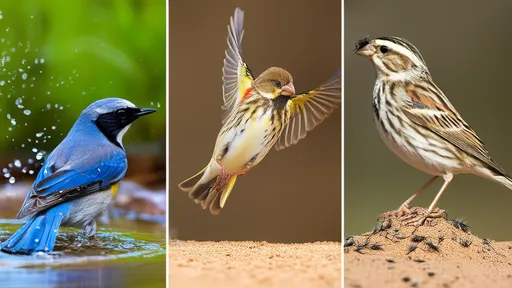
Water bathing is perhaps the most recognizable form of bird grooming. Whether it's a robin in a garden pond or sparrows in a urban fountain, the sight of birds energetically dipping, splashing, and preening in water is common worldwide. This behavior isn't just about cooling off on a hot day; it plays a vital role in feather maintenance. Water helps to loosen dirt, parasites, and old oil from feathers, making preening more effective. After a bath, birds meticulously preen, realigning feather barbs and redistributing natural oils from their uropygial gland, which waterproofs and conditions their plumage. Different species have evolved distinct water-bathing techniques: some prefer shallow pools, others enjoy light rain, and many will use dew on leaves or even snow in colder climates. The vigor and frequency of bathing can vary with species, season, and individual preference, but it remains a non-negotiable part of their daily routine.
In contrast to the wet and splashy affair of water bathing, dust bathing offers a completely different approach to cleanliness. Common among ground-dwelling birds like sparrows, quails, and ostriches, this method involves the bird crouching or rolling in fine, dry soil or sand. The bird will often create a small depression, then vigorously flick the dust over its body with its wings and feet, ensuring the particles penetrate deep into its feathers. The abrasive action of the dust helps to absorb excess oil and remove parasites such as lice and mites. For birds in arid environments where water is scarce, dust bathing is an efficient alternative that still achieves the desired cleansing effect. It also aids in controlling skin irritation and can even help regulate body temperature by providing a protective layer against the sun's heat.
Perhaps the most unusual and least understood bathing method is anting, where birds deliberately allow ants to crawl on their bodies or even actively apply ants to their feathers. This behavior has been observed in over 200 species, including crows, jays, and robins. There are two primary forms of anting: passive anting, where the bird settles on an ant nest and lets the insects swarm over it, and active anting, where the bird picks up ants in its bill and rubs them through its plumage. The exact reasons for anting remain debated among ornithologists, but leading theories suggest that the formic acid released by the ants acts as a natural insecticide, killing or repelling feather parasites. Some researchers propose it could also help soothe skin irritations or prepare ants for consumption by neutralizing their defensive chemicals. Despite the mystery, anting is a deliberate and calculated behavior that highlights the sophisticated ways birds interact with their environment for self-care.
Each bathing method reflects a remarkable adaptation to ecological niches and evolutionary pressures. Water bathing is ubiquitous among species with access to liquid water, but even here, adaptations abound. For instance, desert birds may bathe infrequently but compensate with highly efficient preening, while aquatic birds like ducks have specialized oil glands for enhanced waterproofing. Dust bathing is favored in dry, open habitats and among birds with dense feathering that might hold too much moisture if wet. Anting, though rarer, demonstrates how some birds have learned to exploit other organisms to solve hygiene challenges. These behaviors aren't mutually exclusive; many birds will use multiple methods depending on availability and need. A house sparrow might take a water bath one day and a dust bath the next, showcasing their behavioral flexibility.
The importance of these grooming rituals extends beyond immediate hygiene. Well-maintained feathers are crucial for flight, insulation, and even courtship displays. Matted or parasite-ridden plumage can impair a bird's ability to fly efficiently, regulate its body temperature, or attract a mate. In extreme cases, poor feather condition can lead to increased vulnerability to predators and reduced foraging success. Thus, bathing is not a luxury but a necessity for survival and reproductive success. Observing these behaviors can also provide valuable insights for bird enthusiasts and conservationists. Providing clean water sources, maintaining sandy areas, or even understanding the role of insects in ecosystems can all support avian health in both wild and urban settings.
In conclusion, the bathing habits of birds are a testament to their ingenuity and adaptability. From the familiar water bath to the gritty dust bath and the enigmatic ant bath, each method serves a specific purpose tailored to the bird's environment and biological needs. These rituals are deeply ingrained in their daily lives, essential for maintaining the pristine condition of their feathers and overall health. As we continue to study and appreciate these behaviors, we gain a deeper respect for the complex and often surprising ways in which birds thrive in their diverse habitats. Next time you see a bird engaged in one of these activities, take a moment to admire the sophisticated natural routine unfolding before your eyes.
By /Sep 10, 2025
By /Sep 10, 2025

By /Sep 10, 2025
By /Sep 10, 2025
By /Sep 10, 2025

By /Sep 10, 2025
By /Sep 10, 2025

By /Sep 10, 2025
By /Sep 10, 2025

By /Sep 10, 2025
By /Sep 10, 2025
By /Sep 10, 2025
By /Sep 10, 2025
By /Sep 10, 2025
By /Sep 10, 2025

By /Sep 10, 2025
By /Sep 10, 2025
By /Sep 10, 2025
By /Sep 10, 2025
By /Sep 10, 2025