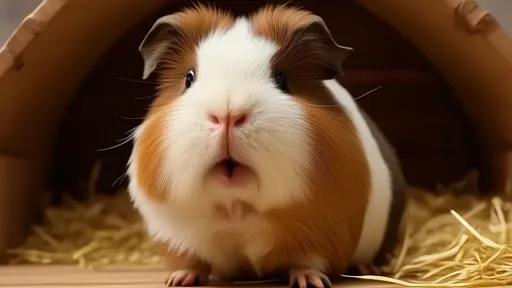
If you share your home with a guinea pig, you've likely been treated to a symphony of squeaks, rumbles, and chirps. These vocalizations are far more than random noise; they are a complex language through which these sociable rodents express their emotions, needs, and warnings. Learning to interpret the varied sounds of your guinea pig is one of the most rewarding aspects of pet ownership, allowing you to deepen your bond and better cater to their well-being.
Perhaps the most iconic and eagerly anticipated sound in a guinea pig owner's life is the loud, piercing wheek. This high-pitched, long squeal is impossible to ignore and is almost exclusively associated with one thing: the anticipation of food. The crinkle of a plastic bag, the opening of the refrigerator door, or the mere sight of their human approaching their enclosure can trigger an enthusiastic chorus of wheeking. It is the sound of pure, unadulterated excitement and a powerful Pavlovian response to the prospect of a tasty meal. A hungry herd will often wheek in unison, creating a cacophony of demand that is both endearing and highly effective.
In stark contrast to the energetic wheek is the low, gentle, and rhythmic purr. This sound, often accompanied by a relaxed, lounging posture, is the guinea pig's ultimate expression of contentment. You might hear it when you are gently stroking your pet's back, when they are comfortably nestled in a cozy hideaway, or while they are peacefully munching on their favorite hay. The purr signifies a state of safety and satisfaction. However, context is key. A purr can sometimes change in tone to a higher-pitched, more tense vibration. This variant often indicates annoyance or fear. If your guinea pig purrs while also stiffening its body or shifting away from your touch, it's best to give them some space, as this is likely a "back off" signal rather than one of pleasure.
Another common sound of contentment is the soft chut or chutter. This noise often occurs as the guinea pig explores its environment, moves about its cage, or interacts peacefully with its cage mates. It can be thought of as a self-reassuring hum, a way of saying, "Everything is alright here." You will frequently hear this gentle sound during their most active periods at dawn and dusk, as they go about their daily business of eating and investigating. It is the background music of a happy and secure guinea pig's life.
Guinea pigs are highly social animals, and much of their communication is dedicated to maintaining harmony within the group. The rumble strut is a fascinating display of dominance, typically performed by males but sometimes by assertive females. The sound itself is a deep, low rumble, similar to a purr but much lower in pitch and more resonant. This vocalization is coupled with a distinctive strutting walk, where the pig will sway its hips and lower its head to make itself appear larger. The rumble strut is used to assert dominance over other pigs, to court a female (in which case it is often called a "rumble of love"), or to warn off potential rivals. It is a clear signal of the complex social hierarchy at play.
When that social order is challenged or a disagreement arises, you may hear a rapid chattering of teeth, known as chattering or clicking. This is an unmistakable warning sign. The guinea pig will often face its opponent, bare its teeth, and produce this aggressive clicking noise. It is a clear message to back down and avoid a physical confrontation. If you hear your pets chattering at each other, it is a sign of tension that may require monitoring to ensure it doesn't escalate into a fight. It's their way of saying, "I am not happy with you right now."
Just like humans, guinea pigs can vocalize their discomfort and pain. A sharp, short shriek or squeal is a cry of fear, surprise, or pain. This is a sound you never want to hear, as it indicates your pet is in immediate distress. It could be triggered by suddenly being handled incorrectly, getting a foot stuck, being startled by a loud noise, or experiencing sudden pain. Any instance of this sound warrants immediate and gentle investigation to identify and remedy the source of their fear or discomfort.
One of the more mysterious and less common sounds is a series of short, bird-like chirps. The meaning of this sound is not entirely understood by experts, and it often seems to leave the guinea pig itself in a trance-like state. Some owners report their pigs chirping in the middle of the night, seemingly without any obvious trigger. Theories suggest it could be a response to extreme stress, a warning call for impending danger that only they can sense, or even a form of sleep-related vocalization. Whenever it occurs, it is a captivating and somewhat eerie sound that reminds us that these creatures still hold some secrets.
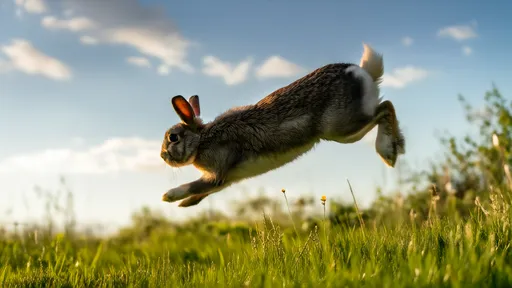
Finally, communication is not solely auditory. Much of a guinea pig's "language" is physical. Popcorning is the ultimate expression of joy. This hilarious behavior involves sudden, explosive jumps straight up into the air, often with mid-air twists and kicks. It is most commonly seen in young pigs but can occur in adults when they are particularly excited or happy. Another key behavior is freezing. A guinea pig that suddenly stops all movement is assessing a potential threat. In the wild, this stillness helps them avoid detection by predators. In your home, it means they've heard or seen something unfamiliar and are deciding if it's dangerous.
By taking the time to listen and observe, you can learn to understand the rich emotional world of your guinea pig. From the demanding wheek for veggies to the contented purr of a snuggle session, each sound opens a window into their well-being and personality. This understanding allows you to become not just an owner, but a trusted member of their herd, capable of responding to their needs and ensuring they lead a happy, healthy, and communicative life.
By /Sep 10, 2025

By /Sep 10, 2025

By /Sep 10, 2025
By /Sep 10, 2025
By /Sep 10, 2025

By /Sep 10, 2025
By /Sep 10, 2025

By /Sep 10, 2025

By /Sep 10, 2025

By /Sep 10, 2025
By /Sep 10, 2025
By /Sep 10, 2025

By /Sep 10, 2025
By /Sep 10, 2025
By /Sep 10, 2025

By /Sep 10, 2025
By /Sep 10, 2025
By /Sep 10, 2025
By /Sep 10, 2025
By /Sep 10, 2025