The Relationship Between Pet Microbiome and Health

Aug 20, 2025 By

In the quiet corners of veterinary science, a revolution is brewing, not with the fanfare of a new surgical technique or a breakthrough drug, but within the trillions of microscopic organisms that call our pets home. This complex community, the microbiome, is no longer seen as a mere passenger but as a fundamental architect of health and disease. The relationship between a pet's internal ecosystem and its overall well-being is a intricate dance, a symbiotic partnership forged over millennia, and we are only just beginning to understand the music.

The pet microbiome is a vast, bustling metropolis, primarily housed within the gastrointestinal tract, though it also resides on the skin, in the mouth, and in other mucosal areas. It is a diverse consortium of bacteria, viruses, fungi, and archaea, each playing a role in a delicate balance. For generations, we viewed these microbes, especially bacteria, with suspicion, as invaders to be vanquished. Now, we understand that the vast majority are not just benign tenants but essential allies. This shift in perspective is rewriting the textbooks on pet nutrition, disease prevention, and treatment.

At its core, the health of this microscopic world is inextricably linked to the function of the immune system. A robust and diverse microbiome acts as a master trainer for a pet's immune defenses. From a young age, exposure to a wide array of beneficial bacteria teaches the immune system to distinguish between friend and foe. It learns to mount an appropriate attack against genuine pathogens while tolerating the good bacteria and harmless environmental antigens. This early education is critical; disruptions during puppyhood or kittenhood can set the stage for a lifetime of immune dysregulation. When the microbiome is impoverished or imbalanced—a state known as dysbiosis—this training falters. The immune system can become confused, leading to overreactions seen in allergies and autoimmune diseases, or it can become lethargic, failing to respond effectively to real threats.

Perhaps the most direct and well-studied role of the gut microbiome is in digestion and metabolism. These microscopic inhabitants are master biochemists, breaking down complex dietary fibers and other compounds that the pet's own enzymes cannot process. In return for a home and a steady supply of food, they produce short-chain fatty acids (SCFAs) like butyrate, acetate, and propionate. These are not mere waste products; they are vital signaling molecules. They serve as a primary energy source for the cells lining the colon, strengthening the gut barrier and preventing a condition often referred to as leaky gut, where toxins and undigested food particles seep into the bloodstream, triggering inflammation. Furthermore, the microbiome is instrumental in synthesizing essential vitamins, such as B vitamins and Vitamin K, and in aiding the absorption of key minerals.

The concept of the gut-brain axis has moved from fringe theory to mainstream science, and it applies just as profoundly to our pets as it does to us. This bidirectional communication superhighway links the emotional and cognitive centers of the brain with the peripheral intestinal functions. The microbiome produces a staggering array of neuroactive compounds, including neurotransmitters like serotonin and gamma-aminobutyric acid (GABA). In fact, a significant portion of the body's serotonin, a key regulator of mood, is produced in the gut. An imbalanced microbiome can disrupt this production, potentially contributing to anxiety, stress, and even changes in behavior that pet owners might observe, such as excessive barking, hiding, or lethargy. Conversely, stress and anxiety in a pet can alter gut motility and secretion, negatively impacting the microbial residents, creating a vicious cycle.

When this delicate microbial equilibrium is thrown into disarray, the consequences can be widespread. Dysbiosis is increasingly implicated in a host of common and frustrating pet ailments. Chronic digestive issues like inflammatory bowel disease (IBD) are strongly correlated with a loss of microbial diversity and an overgrowth of detrimental bacteria. Skin conditions, including atopic dermatitis, are now understood to have a significant gut-skin axis component; an unhealthy gut can manifest as an itchy, inflamed skin barrier. Even shocking conditions like obesity and diabetes are linked to the microbiome. Certain microbial profiles are more efficient at extracting energy from food, potentially contributing to weight gain, and they can influence insulin sensitivity. The implications extend to oral health, with the oral microbiome playing a direct role in the development of periodontal disease, which itself can have systemic inflammatory effects.

So, how does one cultivate a garden of beneficial microbes? The primary levers are diet and environment. Nutrition is the most powerful tool at our disposal. Highly processed, carbohydrate-heavy diets can starve beneficial fiber-fermenting bacteria and promote the growth of less desirable species. Incorporating prebiotics—indigestible fibers that act as food for good bacteria—is crucial. These are found in ingredients like chicory root, beet pulp, and certain whole vegetables. Probiotics are the live beneficial bacteria themselves, which can be introduced through supplements or fermented foods. However, they are often transient, meaning they don't always colonize the gut permanently. The emerging field of postbiotics, which are the beneficial compounds produced by bacteria (like SCFAs), offers another promising avenue for supporting health directly.

Beyond the food bowl, a pet's environment plays a monumental role. The modern, overly sanitized lifestyle may be doing our pets a disservice. The hygiene hypothesis suggests that limited exposure to diverse environmental microbes in early life can hinder the proper development of the microbiome and immune system. Allowing puppies and kittens safe access to outdoor environments, interaction with other healthy animals, and even exposure to a variety of non-toxic plants and soils can provide a valuable microbial education. Conversely, the overuse of antibiotics, while life-saving when necessary, is a blunt instrument that decimates the microbial community without discrimination, and its effects can be long-lasting. Other medications, like non-steroidal anti-inflammatories and steroids, can also perturb this delicate balance.

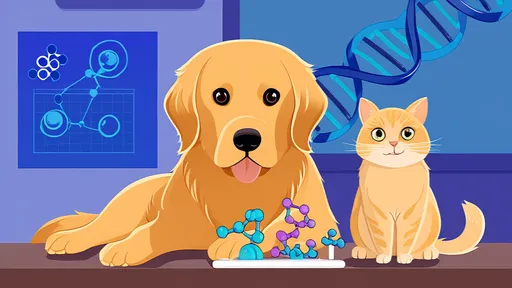
The future of pet healthcare is poised to become deeply personalized, with the microbiome at its heart. Advanced DNA sequencing allows veterinarians to move beyond simple fecal tests and analyze the specific composition of a pet's microbial community. This isn't about identifying a single pathogen; it's about assessing the entire ecosystem's health, diversity, and functional potential. This detailed map can guide incredibly targeted interventions. Instead of a one-size-fits-all probiotic, a veterinarian might prescribe a specific bacterial strain known to address a particular deficiency. Nutritional recommendations could be tailored based on what a pet's unique microbiome is best equipped to process. This shift from reactive treatment to proactive, personalized microbial management promises to revolutionize how we maintain wellness in our animal companions.

Understanding the pet microbiome is more than a scientific curiosity; it is a fundamental paradigm shift in how we view health. Our pets are not solitary organisms but complex superorganisms, a holobiont comprising the animal and all its resident microbes. Their health is a collaborative effort. By nurturing this invisible inner world through thoughtful nutrition, enriched environments, and judicious medical care, we are not just feeding a cat or a dog. We are tending to a vast, ancient, and vital ecosystem whose well-being is directly reflected in the vitality, happiness, and longevity of our beloved companions. The path to optimal health, it seems, is paved with bacteria.

Recommend Posts
Pet

Effective Training and Socialization Methods for the Stubborn Nature of Shiba Inus

By /Aug 20, 2025

Anyone who has ever tried to convince a Shiba Inu to do something it doesn't want to do understands the unique meaning of the word "stubborn." It's not merely a behavioral trait; it's a core component of their being, woven into their DNA from centuries of independent hunting in the mountains of Japan. This celebrated independence, while part of their immense charm, presents a distinct set of challenges for the modern pet owner. The key to a harmonious life with a Shiba does not lie in breaking their spirit, which is both impossible and cruel, but in channeling their intelligence and strong will through patient, consistent, and intelligent training and socialization methods.
Pet

Lumbar Health Management for Corgis: Staircase Ban and Daily Exercises

By /Aug 20, 2025

Among the many joys of sharing your life with a Corgi, their iconic silhouette—long, low, and utterly charming—is perhaps the most recognizable. Yet, that very build, a product of selective breeding for herding, presents a unique set of challenges, particularly concerning their spinal health. The elongated spine and short legs of the Pembroke and Cardigan Welsh Corgis are supported by a complex structure of vertebrae, discs, and muscles, making them disproportionately susceptible to back issues, most notably Intervertebral Disc Disease (IVDD). For the devoted Corgi owner, understanding and proactively managing this vulnerability is not merely a recommendation; it is a fundamental aspect of responsible guardianship. A comprehensive approach, focusing on two critical pillars—the implementation of a strict staircase ban and the design of a thoughtful, low-impact exercise regimen—can dramatically reduce the risk of injury and ensure a long, vibrant, and pain-free life for these spirited companions.
Pet

Pomeranian Care Tips: How to Groom Double-Coat and Deal with Barking

By /Aug 20, 2025

Nestled within the heart of every Pomeranian is the spirit of a much larger dog, a legacy from their sturdy Spitz ancestors. This bold personality, combined with their luxurious double coat, makes them utterly captivating companions. However, these very traits—the voluminous fur and the vocal nature—present the most significant challenges for their owners. Mastering the art of their care is not merely about maintenance; it's about understanding and harmonizing with their unique canine essence. A well-groomed and content Pomeranian is not just a pretty face; it is a testament to a deep and respectful bond between human and dog.
Pet

Respiratory Care and Precautions in Hot Weather for French Bulldogs

By /Aug 20, 2025

French Bulldogs, with their distinctive bat ears and charming personalities, have captured the hearts of dog lovers worldwide. However, their unique physical characteristics, particularly their brachycephalic (short-nosed) structure, present significant health challenges, especially concerning their respiratory system. These challenges become critically pronounced in hot weather, demanding vigilant and informed care from their owners. Understanding the intricacies of their anatomy and the profound impact of heat is not merely a recommendation but a fundamental responsibility for ensuring the well-being of these affectionate companions.
Pet

A Comprehensive Guide to Labrador Retrievers: From Puppy Selection to Senior Care

By /Aug 20, 2025

Labrador Retrievers have long captured the hearts of dog lovers worldwide, standing as one of the most beloved and versatile breeds. Their journey from a spirited puppy to a dignified senior is a remarkable one, filled with unique needs and joys at every stage. Understanding this progression is essential for any current or prospective owner aiming to provide a fulfilling life for their canine companion. This exploration delves into the complete lifecycle of a Labrador, offering insights that blend practical knowledge with a deeper appreciation for the breed's enduring charm.
Pet

Application of Virtual Reality (VR) Technology in Pet Behavior Research

By /Aug 20, 2025

In recent years, the integration of virtual reality (VR) technology into scientific research has expanded beyond human-centered applications, finding a particularly innovative niche in the study of animal behavior. Among these explorations, its use in pet behavior research stands out as a transformative approach, offering unprecedented insights into the minds and reactions of our domestic companions. This emerging field leverages immersive digital environments to observe, analyze, and understand behaviors in ways traditional methods simply cannot match, opening new frontiers in ethology and veterinary science.
Pet

Sustainable Development in the Pet Industry: Eco-Friendly Toys and Accessories

By /Aug 20, 2025

The pet industry has long been a bastion of indulgence, with aisles overflowing with plush toys, synthetic chews, and plastic accessories designed to pamper our beloved companions. Yet, as global awareness of environmental crises intensifies, a profound shift is underway. A new consciousness is emerging among pet owners, one that questions the lifecycle of the squeaky chicken and the environmental footprint of the synthetic fiber bed. This awakening is fueling a quiet revolution, steering the market away from fleeting trends and toward a future where sustainability is not just a niche preference but a core industry standard. The journey toward eco-friendly pet products is no longer a fringe movement; it is becoming the very heart of a responsible, forward-thinking pet care ethos.
Pet

Potential Impacts of Climate Change on Pet Health

By /Aug 20, 2025

As the planet continues to experience significant shifts in climate patterns, the conversation around environmental impacts has largely centered on human health, agriculture, and infrastructure. However, a growing body of research and veterinary insight is beginning to shed light on a more intimate aspect of this global phenomenon: the profound and often overlooked effects of climate change on the health and well-being of our pets. From the common household cat to the loyal family dog, our animal companions are facing new and evolving health challenges directly linked to a warming world, altered ecosystems, and more extreme weather events. This article delves into the multifaceted ways our changing environment is reshaping pet healthcare, urging a proactive approach from pet owners and veterinarians alike.
Pet

Social Factors of Pet Obesity and Solutions

By /Aug 20, 2025

In recent years, the rising prevalence of pet obesity has emerged as a critical health concern, mirroring trends observed in human populations. While much attention has been given to dietary and exercise recommendations, the underlying social factors contributing to this epidemic are often overlooked. The way we feed, interact with, and perceive our pets is deeply intertwined with cultural norms, emotional bonds, and socioeconomic realities. Understanding these dimensions is essential to developing effective, compassionate strategies that address not just the symptom—excess weight—but the root causes embedded in our relationship with companion animals.
Pet

The Relationship Between Pet Microbiome and Health

By /Aug 20, 2025

In the quiet corners of veterinary science, a revolution is brewing, not with the fanfare of a new surgical technique or a breakthrough drug, but within the trillions of microscopic organisms that call our pets home. This complex community, the microbiome, is no longer seen as a mere passenger but as a fundamental architect of health and disease. The relationship between a pet's internal ecosystem and its overall well-being is a intricate dance, a symbiotic partnership forged over millennia, and we are only just beginning to understand the music.
Pet

Current Status of Customized Pet Food

By /Aug 20, 2025

The pet food industry is undergoing a remarkable transformation, shifting away from the one-size-fits-all approach that dominated shelves for decades. In its place, a new era of personalized nutrition is emerging, driven by a deeper understanding of animal health and the evolving role of pets as family members. Customized pet diets, once a niche concept reserved for animals with severe medical conditions, are now entering the mainstream, promising optimized health and longevity for our furry companions.
Pet

Regenerative Veterinary Medicine: PRP Therapy for Ligament Injuries

By /Aug 20, 2025

In the ever-evolving landscape of veterinary medicine, few advancements have sparked as much interest and hope as regenerative therapies. Among these, Platelet-Rich Plasma (PRP) therapy has emerged as a particularly promising modality for treating ligament injuries in pets, a common and often debilitating issue, especially in active and athletic animals. This innovative approach harnesses the body's innate healing mechanisms, offering a potential alternative to traditional surgical interventions and their associated risks and lengthy recovery times. The growing adoption of PRP in veterinary clinics worldwide signifies a paradigm shift towards more biological and less invasive treatment strategies, aiming not just to repair damage but to restore optimal function and quality of life for our canine and feline companions.
Pet

Mysteries of Traditional Chinese Veterinary Medicine (TCVM): Acupuncture and Herbal Therapy

By /Aug 20, 2025

In the quiet corners of modern veterinary clinics, an ancient practice is experiencing a remarkable renaissance. Traditional Chinese Veterinary Medicine, or TCVM, is not merely an alternative approach but a comprehensive medical system with a history stretching back thousands of years. Its philosophy is deeply rooted in the same principles that guide human Traditional Chinese Medicine, viewing the animal body as a complex, interconnected system where balance is the cornerstone of health. This holistic perspective stands in stark contrast to the often compartmentalized view of Western medicine, offering a different lens through which to understand and treat our animal companions.
Pet

Clinical Applications and Prospects of Pet Stem Cell Therapy

By /Aug 20, 2025

In the quiet corridors of veterinary clinics, a revolution is brewing, one that promises to reshape the very foundations of animal healthcare. The once-futuristic concept of using stem cells to treat ailing pets has moved from the pages of science fiction into tangible reality, offering a beacon of hope for conditions previously deemed untreatable. This isn't merely a new drug or a novel surgical technique; it is a fundamental shift towards regenerative medicine, aiming not just to manage disease but to harness the body's own innate power to heal and restore itself.
Pet

The Credibility and Practical Value of Pet Genetic Testing Reports

By /Aug 20, 2025

In recent years, the pet industry has witnessed a surge in the popularity of genetic testing kits for dogs and cats. Marketed as a window into a pet’s ancestry, health predispositions, and even behavioral traits, these tests promise owners a deeper understanding of their furry companions. The allure is undeniable: who wouldn’t want to know if their rescue mutt has the heart of a Labrador or if their playful kitten might be prone to a specific hereditary condition? The shelves of pet stores and the pages of online retailers are now stocked with an array of kits from various companies, each vying for the attention of concerned and curious pet parents. The question that looms, however, is whether the data provided by these tests is a reliable cornerstone for making informed decisions about a pet's care or merely an entertaining, yet ultimately inconclusive, glimpse into their DNA.
Pet

The Importance of Pet Enrichment and DIY Methods

By /Aug 20, 2025

In the quiet moments of our shared lives, we often forget that our pets experience the world in profoundly different ways than we do. The concept of enrichment has slowly woven itself into the fabric of responsible pet ownership, moving beyond a niche interest of dedicated animal behaviorists to a fundamental pillar of modern pet care. It is the practice of enhancing an animal's environment and daily routine to stimulate their natural behaviors, challenge their minds, and nourish their spirits. This isn't about spoiling a pet with an abundance of toys; it is about acknowledging a deep-seated biological need for engagement that, when unmet, can lead to a silent crisis of boredom, anxiety, and a host of behavioral issues.
Pet

Potential Health Concerns Behind Pet Behavioral Issues

By /Aug 20, 2025

It was a Tuesday evening when Sarah noticed her usually energetic golden retriever, Max, refusing to climb onto his favorite spot on the couch. He'd simply stare at the furniture, whimper softly, and settle on the floor with a heavy sigh. Sarah initially dismissed it as a passing mood or perhaps a sign of aging. But as days turned into a week, this new behavior persisted, accompanied by a slight decrease in appetite. It wasn't until their regular vet visit, prompted by a unrelated vaccine reminder, that the truth surfaced. After a thorough examination and an X-ray, the veterinarian revealed the root cause: early-stage arthritis in Max's hips. Sarah's story isn't unique. Across countless households, pets communicate their physical distress not through words, but through subtle, and sometimes not-so-subtle, changes in their behavior. These shifts are often the only visible indicators of underlying health issues brewing beneath the surface, silent pleas for help that are easily mistaken for behavioral quirks or temporary phases.
Pet

Adopting Instead of Buying: How to Choose the Right Shelter Pet for You

By /Aug 20, 2025

In a world where countless animals await homes in shelters, the decision to adopt rather than purchase a pet is both a compassionate and practical choice. Shelters are filled with loving, loyal companions of all ages, breeds, and personalities, each with a unique story and a deep capacity for gratitude. Choosing to bring one into your life not only saves an animal but enriches your own existence in ways you might never have imagined. However, the process of selecting the right shelter pet requires thoughtful consideration, patience, and a willingness to look beyond first impressions to find a true match for your lifestyle, home environment, and emotional needs.
Pet

The Application of Animal-Assisted Therapy in Special Education

By /Aug 20, 2025

In the evolving landscape of special education, one of the most heartening and effective approaches gaining traction is the integration of animal-assisted therapy. This method, which strategically incorporates trained animals into therapeutic and educational settings, has shown remarkable potential in supporting children with diverse needs. From autism spectrum disorders to emotional and behavioral challenges, the presence of a gentle, non-judgmental companion animal can open doors that traditional methods sometimes struggle to unlock. The concept isn’t entirely new—humans have long sensed the comforting power of animals—but its structured application in special education represents a significant and promising advancement.
Pet

Understanding Pet Mourning Behavior: When They Lose Companions

By /Aug 20, 2025

Anyone who has lived with animals knows the profound depth of their emotional lives. We see their joy in the wag of a tail, their contentment in a soft purr, and their anxiety in a tucked tail or flattened ears. Yet, one of the most poignant and heart-wrenching emotions we witness is their grief. The loss of a companion, whether another animal or a human, can cast a long shadow over our pets, leaving them—and us—navigating a landscape of sorrow that feels overwhelmingly silent.