In recent years, the rising prevalence of pet obesity has emerged as a critical health concern, mirroring trends observed in human populations. While much attention has been given to dietary and exercise recommendations, the underlying social factors contributing to this epidemic are often overlooked. The way we feed, interact with, and perceive our pets is deeply intertwined with cultural norms, emotional bonds, and socioeconomic realities. Understanding these dimensions is essential to developing effective, compassionate strategies that address not just the symptom—excess weight—but the root causes embedded in our relationship with companion animals.
One of the most significant drivers of pet obesity is the humanization of pets, a trend where animals are increasingly treated as family members rather than dependent creatures with distinct biological needs. This shift, while reflecting deeper emotional connections, often leads to feeding practices that prioritize affection over health. Sharing table scraps, offering high-calorie treats as expressions of love, and interpreting begging behaviors as signs of hunger rather than trained responses are common manifestations. The pet food industry capitalizes on this, marketing calorie-dense, palatable foods and snacks that encourage overconsumption. The result is a well-intentioned but harmful cycle where food becomes the primary language of care, creating a significant caloric imbalance.
Compounding this issue is a widespread lack of awareness regarding what constitutes a healthy weight for a pet. Many owners are simply unable to recognize obesity in their animals, perceiving an overweight body condition as "cute," "well-fed," or "content." This perceptual gap is a formidable barrier to intervention. Veterinarians often report that clients are surprised or even defensive when their pet's weight is classified as unhealthy. This is not merely a knowledge deficit but a cultural normalization of excess weight, fueled by images in media and advertising that frequently portray pudgy cats and portly dogs as the ideal of pet contentment.
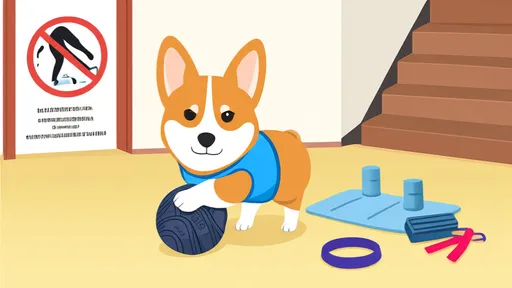
Modern lifestyles further exacerbate the problem. The rise of urban living often means smaller homes and limited access to safe, open spaces for off-leash exercise. Long working hours leave pets alone for extended periods, with food left out to graze on out of convenience or guilt. Walks become shorter and less frequent, replaced by indoor play that, while beneficial, rarely provides the same level of sustained cardiovascular activity. For many, a tired pet is a well-behaved pet, and the easiest way to achieve this calm is through food-based enrichment like puzzle feeders filled with kibble, rather than physical exertion. The pet's environment becomes engineered for convenience and quiet, often at the expense of metabolic health.
Socioeconomic factors also create stark disparities in pet obesity risk and management. High-quality, nutritionally balanced pet food often carries a premium price tag, pushing owners on limited budgets toward cheaper, calorie-dense options filled with fillers that promote weight gain. Conversely, the cost of addressing obesity—veterinary consultations, prescription weight-loss diets, gym memberships, or even pet walkers—can be prohibitively expensive, making prevention the only viable strategy for many households. This creates a situation where pets in lower-income families may be at higher risk for obesity and its associated health complications, like diabetes and arthritis, which are themselves costly to treat.
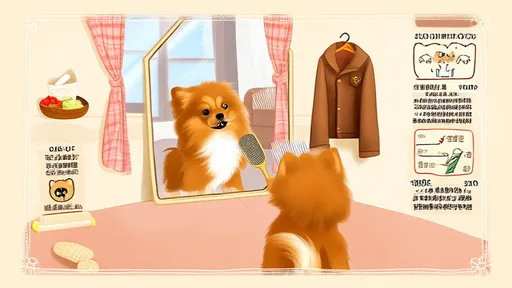
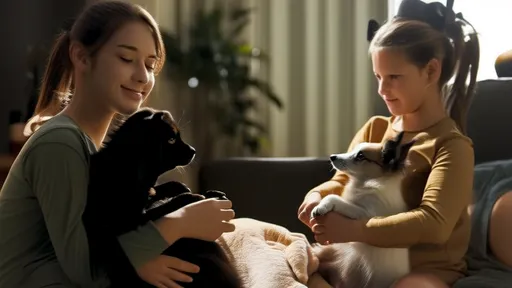
The path to a solution requires a multi-faceted approach that is empathetic, educational, and systemic. First, there must be a concerted effort to redefine the expression of love towards pets, moving the focus away from food-centric interactions. This involves promoting alternative forms of bonding, such as extended play sessions, training exercises, grooming, or simply quiet companionship. The narrative must shift from "showing love with a treat" to "showing love with time and engagement." Campaigns led by veterinary associations and animal welfare organizations can play a pivotal role in reshaping these deeply ingrained behaviors, using relatable messaging that resonates emotionally with owners.
Education is another critical pillar. This goes beyond simply informing owners about the dangers of obesity; it must include practical, hands-on guidance. Veterinarians and veterinary technicians should be trained to conduct compassionate, non-judgmental weight assessments during every visit, using tools like body condition score charts with visual and tactile aids to help owners understand what they are seeing and feeling. Community workshops and online resources can demystify pet nutrition, teaching owners how to read pet food labels, measure portions accurately, and identify hidden calories in treats and chews. Empowering owners with knowledge and practical skills is fundamental to lasting change.
On an industry level, greater responsibility is needed from pet food manufacturers. While "feeding guidelines" on packaging are a start, they are often vague and can lead to significant overfeeding, especially for less active, neutered pets. There is a growing call for more precise, individualized feeding recommendations and for the development of more appealing, lower-calorie treat options. Furthermore, the marketing of these products must evolve to promote health and vitality, not just the indulgent pleasure of the pet, aligning commercial interests with the genuine well-being of animals.
Finally, we must innovate to make healthy living more accessible within the constraints of modern life. Urban planning can incorporate more dog parks and pet-friendly spaces. The pet tech industry can develop smarter feeders that dispense precise portions and interactive toys that encourage vigorous movement indoors. Employers could be encouraged to adopt pet-friendly policies that allow for midday walks, reducing the time pets spend sedentary. For socioeconomically disadvantaged communities, subsidized veterinary wellness programs that include nutritional counseling could help bridge the equity gap, ensuring all pets have a chance at a healthy weight.
Addressing pet obesity is not about assigning blame but about fostering understanding and providing support. It is a complex issue rooted in the very best of intentions—our deep love for our animal companions. By acknowledging the social, emotional, and economic forces at play, we can begin to cultivate a new culture of pet care, one where health and longevity become the truest expressions of our affection. The goal is a future where a healthy weight is not the exception but the norm, allowing our pets to live longer, more active, and more comfortable lives by our sides.

By /Aug 20, 2025
By /Aug 20, 2025
By /Aug 20, 2025

By /Aug 20, 2025

By /Aug 20, 2025

By /Aug 20, 2025

By /Aug 20, 2025

By /Aug 20, 2025

By /Aug 20, 2025

By /Aug 20, 2025

By /Aug 20, 2025

By /Aug 20, 2025

By /Aug 20, 2025

By /Aug 20, 2025

By /Aug 20, 2025

By /Aug 20, 2025
By /Aug 20, 2025

By /Aug 20, 2025

By /Aug 20, 2025

By /Aug 20, 2025