In the evolving landscape of special education, one of the most heartening and effective approaches gaining traction is the integration of animal-assisted therapy. This method, which strategically incorporates trained animals into therapeutic and educational settings, has shown remarkable potential in supporting children with diverse needs. From autism spectrum disorders to emotional and behavioral challenges, the presence of a gentle, non-judgmental companion animal can open doors that traditional methods sometimes struggle to unlock. The concept isn’t entirely new—humans have long sensed the comforting power of animals—but its structured application in special education represents a significant and promising advancement.
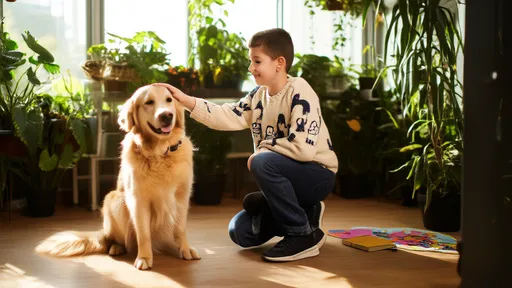
The foundation of animal-assisted therapy in this context lies in its ability to foster emotional and social growth. Many children in special education programs experience difficulties with communication, empathy, and building relationships. Interacting with an animal, whether it’s a dog, cat, rabbit, or even a horse, often serves as a bridge to human connection. Animals don’t criticize, don’t impose expectations, and offer unconditional positive regard. For a child who may feel isolated or misunderstood, the simple act of petting a dog or watching a cat purr can reduce anxiety, lower stress hormones, and create a sense of safety. This emotional regulation is frequently the first step toward engagement in learning activities.
Beyond emotional benefits, animal-assisted interventions also support cognitive and motor skill development. For instance, a child working on fine motor skills might be motivated to brush a dog or fasten a leash, turning a challenging exercise into a rewarding experience. Reading programs, where children read aloud to a patient, non-critical animal audience, have proven especially successful in building literacy confidence. The animal’s presence reduces the fear of making mistakes, encouraging participation and practice. In physical therapy, activities like walking a dog or maintaining balance on horseback can improve coordination, strength, and spatial awareness in ways that feel more like play than work.
The selection and training of therapy animals are critical to the success of these programs. Not every pet is suited for therapeutic work; animals must undergo rigorous training to ensure they are calm, obedient, and adaptable to various environments and stimuli. Handlers and therapists work closely together to align animal interactions with individual education plans, ensuring that each session has clear therapeutic goals. Safety, for both the children and the animals, is paramount. Protocols for hygiene, animal welfare, and appropriate interaction are strictly maintained to create a positive and secure environment for all involved.
Research into the efficacy of animal-assisted therapy in special education, while still growing, offers encouraging results. Studies have documented increases in social interaction, language use, and adaptive behaviors among participants. Teachers and therapists frequently report that students are more attentive, motivated, and willing to attempt tasks when an animal is present. These observations are supported by physiological data; interactions with friendly animals have been shown to lower blood pressure, reduce cortisol levels, and increase oxytocin—the hormone associated with bonding and trust.
Implementing such programs, however, is not without challenges. Logistics such as funding, liability insurance, and sourcing reliably trained animals and handlers can be significant hurdles for schools. Allergies or fears among students or staff must also be thoughtfully managed. Despite these obstacles, many institutions have found creative ways to incorporate animal-assisted activities, whether through partnerships with local therapy animal organizations or by starting small with classroom pets or occasional visitor programs.
The future of animal-assisted therapy in special education looks bright, as awareness grows and more evidence of its benefits emerges. It represents a holistic approach—one that acknowledges the importance of emotional well-being in the learning process. In a world where educational strategies are continually refined, the value of a wagging tail or a soft nuzzle reminds us that sometimes the simplest connections can drive the most profound growth. For children facing extraordinary challenges, these gentle companions offer not just support, but also joy and a unique pathway to reaching their potential.
By /Aug 20, 2025
By /Aug 20, 2025
By /Aug 20, 2025

By /Aug 20, 2025

By /Aug 20, 2025

By /Aug 20, 2025

By /Aug 20, 2025

By /Aug 20, 2025

By /Aug 20, 2025
By /Aug 20, 2025

By /Aug 20, 2025

By /Aug 20, 2025

By /Aug 20, 2025

By /Aug 20, 2025
By /Aug 20, 2025
By /Aug 20, 2025

By /Aug 20, 2025

By /Aug 20, 2025
By /Aug 20, 2025

By /Aug 20, 2025